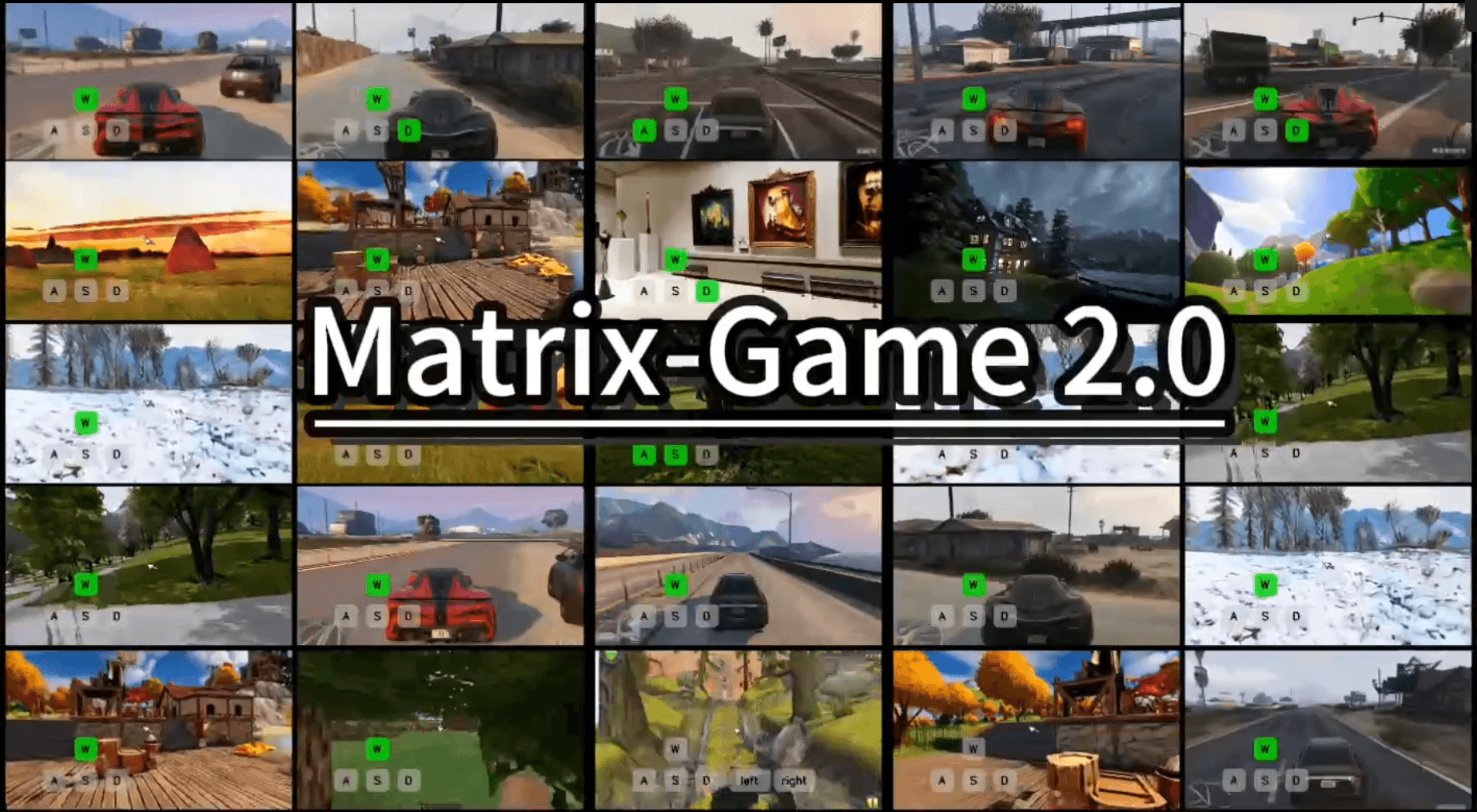
Google DeepMind's Genie 3 can dynamically alter the state of its simulated worlds
At start of December, Google DeepMind released Genie 2. The Genie family of AI systems are what are known as world models. They're capable of generating images as the user — either a human or, more likely, an automated AI agent — moves through the world the software is simulating. The resulting video of the model in action may look like a video game, but DeepMind has always positioned Genie 2 as a way to train other AI systems to be better at what they're designed to accomplish. With its new Genie 3 model, which the lab announced on Tuesday, DeepMind believes it has made an even better system for training AI agents. <br /> At first glance, the jump between Genie 2 and 3 isn't as dramatic as the one the model made last year. With Genie 2, DeepMind's system [...]
Rating
Innovation
Pricing
Technology
Usability
We have discovered similar tools to what you are looking for. Check out our suggestions for similar AI tools.

Google's Project Genie lets you generate your own interactive worlds
This past summer, Google DeepMind debuted Genie 3. It’s what’s known as a world world, an AI system capable of generating images and reacting as the user moves through the environment the software [...]
Google's Project Genie lets you create your own 3D interactive worlds
This past summer, Google DeepMind debuted Genie 3. It’s what’s known as a world world, an AI system capable of generating images and reacting as the user moves through the environment the software [...]
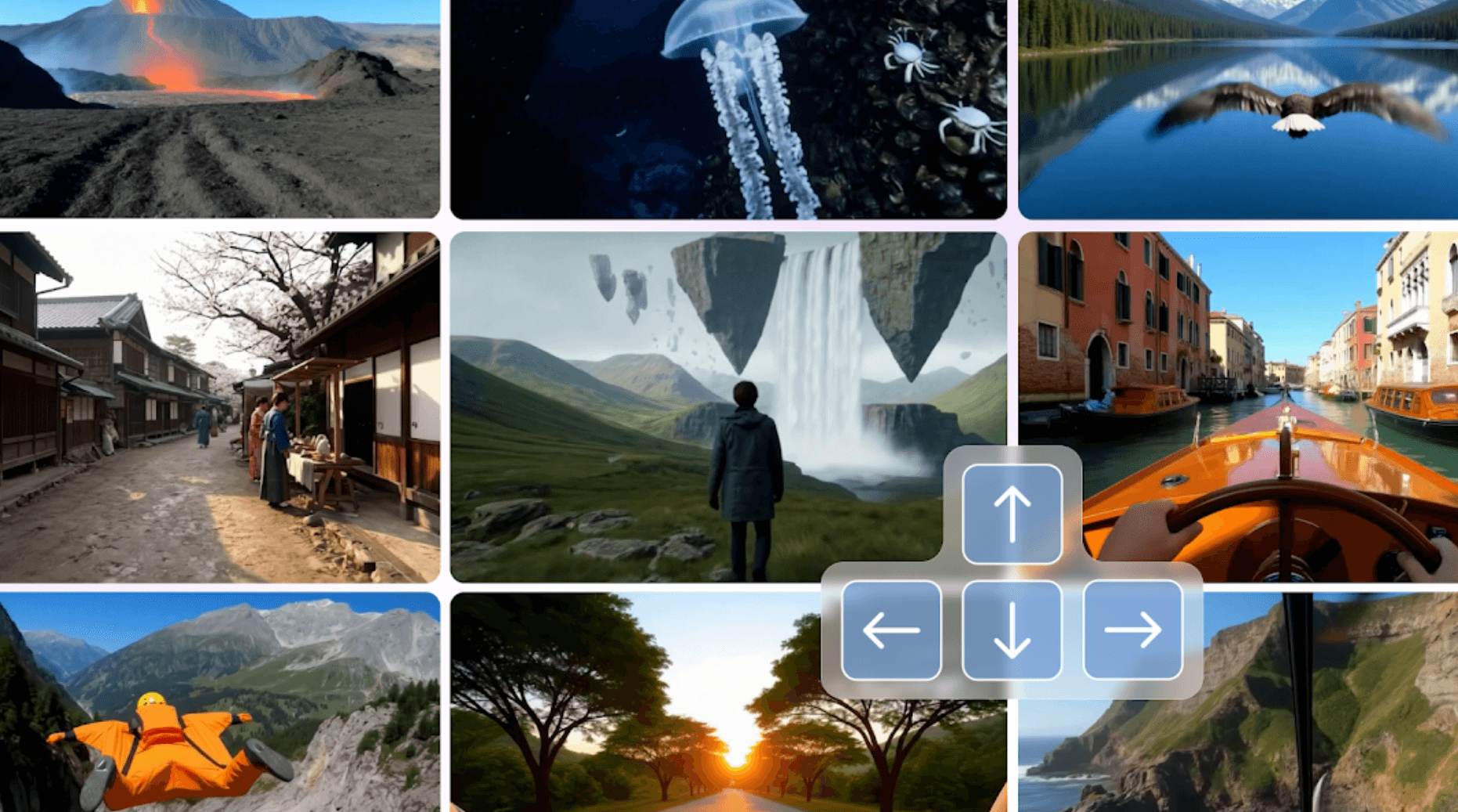
Google Deepmind's Genie 3 creates interactive 3D worlds that stay consistent for "multiple minutes"
With Genie 3, Google Deepmind introduces a "world model" that creates interactive 3D environments in real time, designed for simulating complex scenarios and training autonomous AI agents.&l [...]
Google Deepmind opens Project Genie to US Gemini subscribers for real-time AI world generation
Google Deepmind opens Project Genie to its first users. The prototype creates interactive worlds from text or images in real time.<br /> The article Google Deepmind opens Project Genie to US Gem [...]
Google DeepMind plugs Street View into its world model, and you can explore simulated cities today
Google DeepMind has connected its Project Genie world model to 20 years of Street View imagery, allowing users to wander through AI-generated simulations of real places. The integration, announced at [...]
Google pairs its Genie world model with Street View to create explorable AI worlds based on real places
Google Deepmind connects its Genie 3 world model to Street View imagery: users drop a pin on a map and get a walkable, AI-generated world based on a real place. Google's Street View data, collect [...]
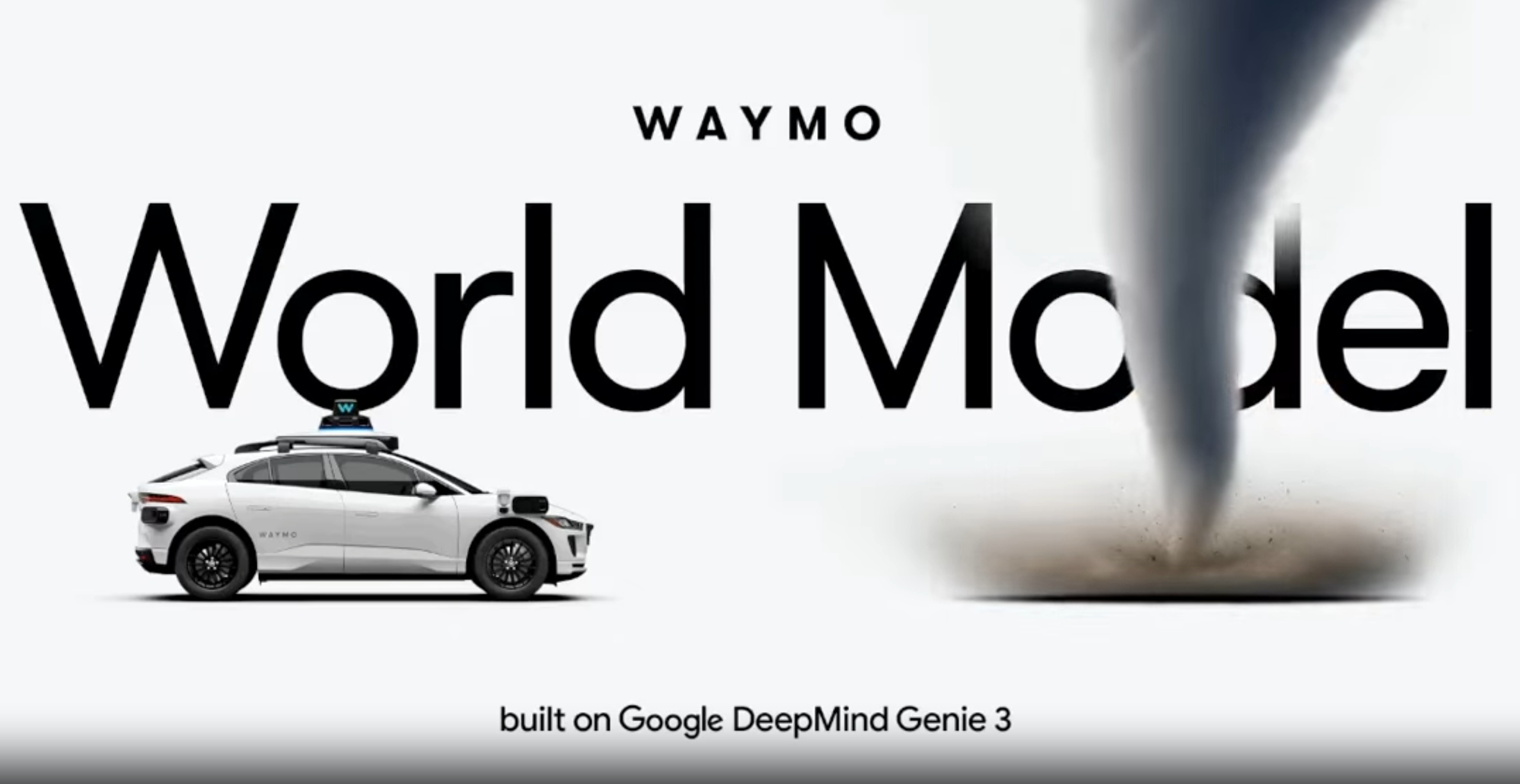
Waymo taps Google Deepmind's Genie 3 to simulate driving scenarios its cars have never seen
By combining Waymo's real-world driving data with Deepmind's Genie 3, Alphabet is showing the kind of AI leverage that few companies can match: using one subsidiary's world model to sup [...]